
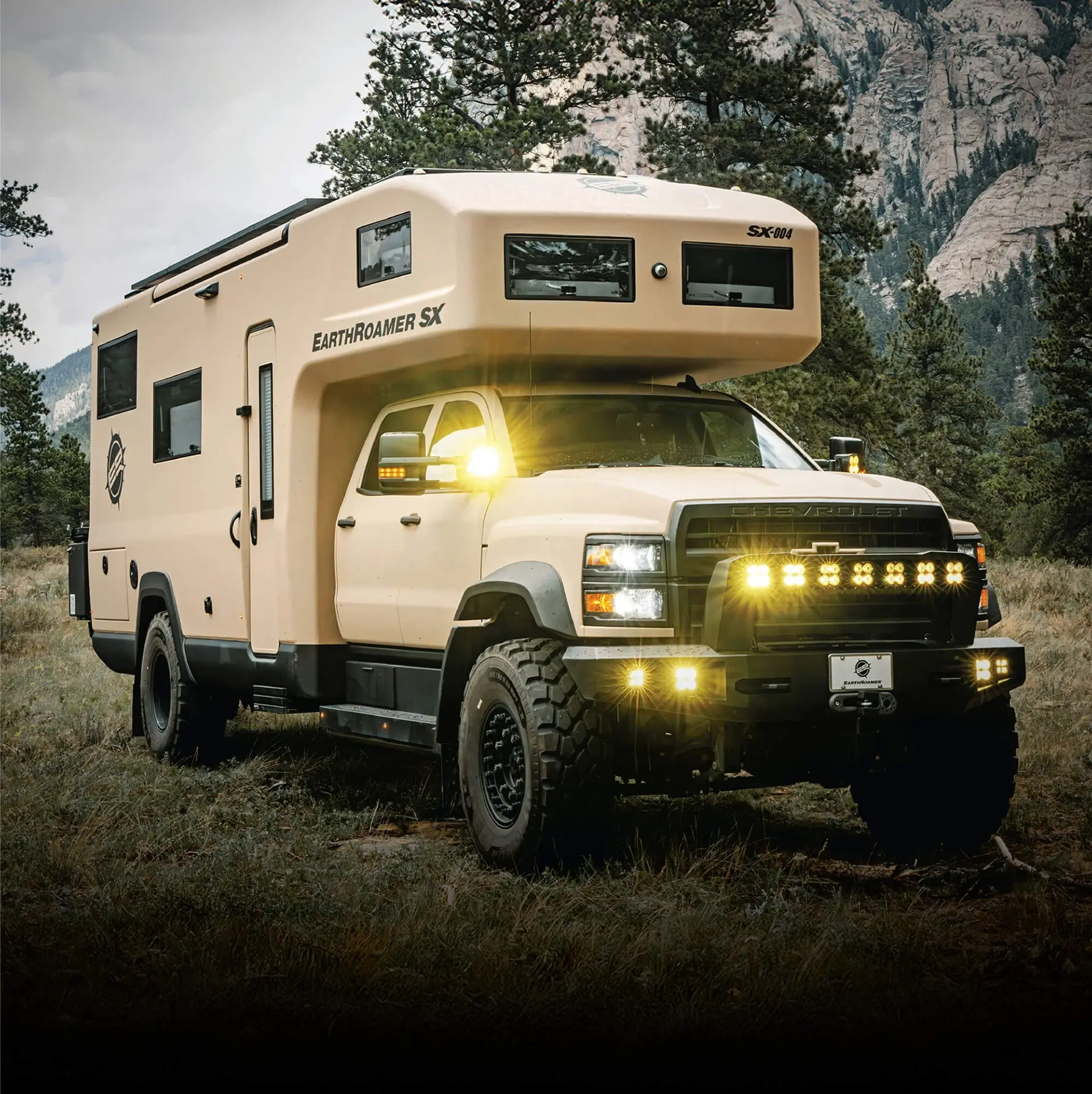
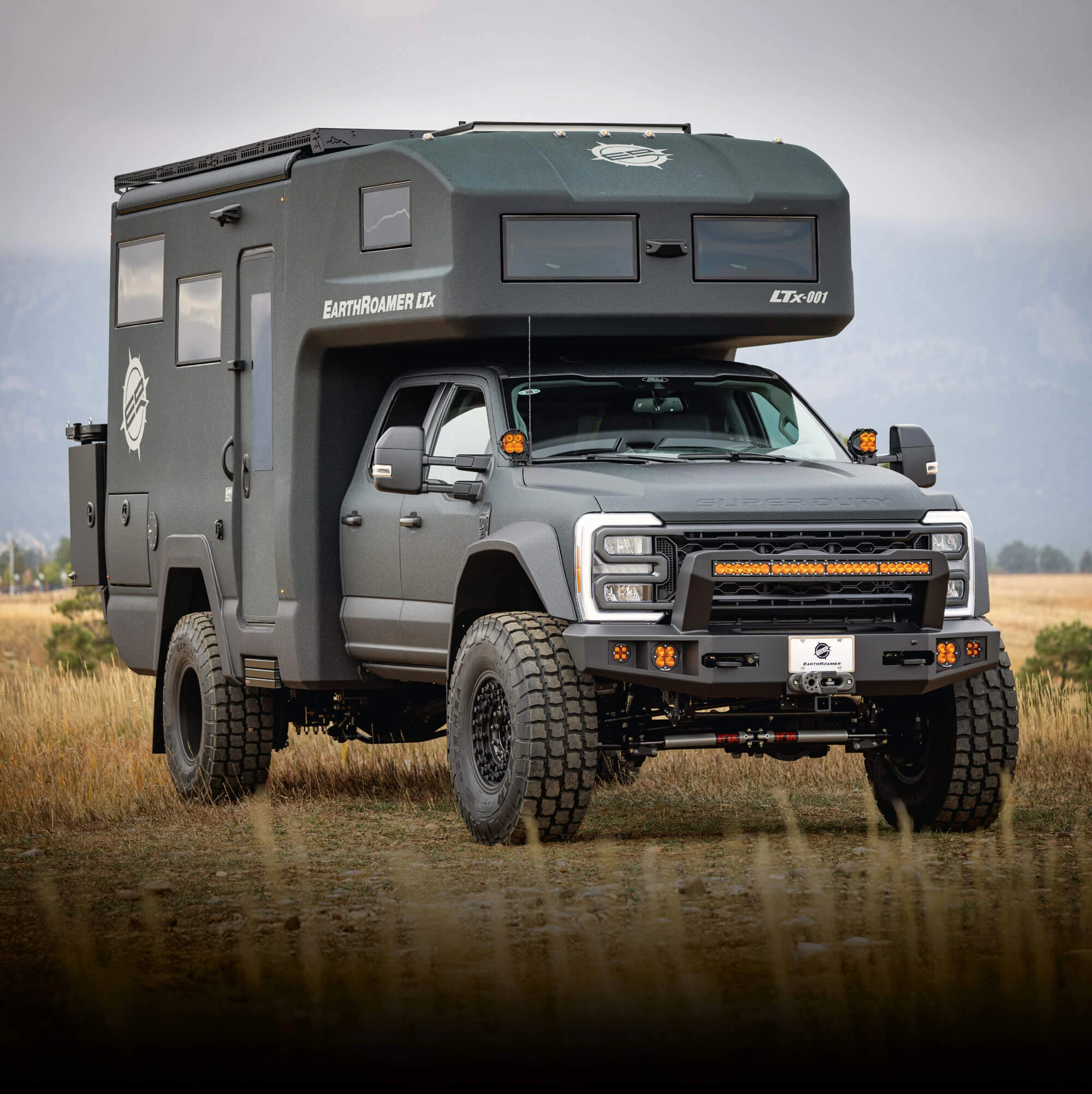



Understanding the Difference Between Going Somewhere—and Going Anywhere
At first glance, an RV and an Expedition Vehicle may appear to serve the same purpose: travel, comfort, and freedom on the open road. But once the pavement ends, the difference becomes immediately clear.
A traditional RV is designed to visit destinations.
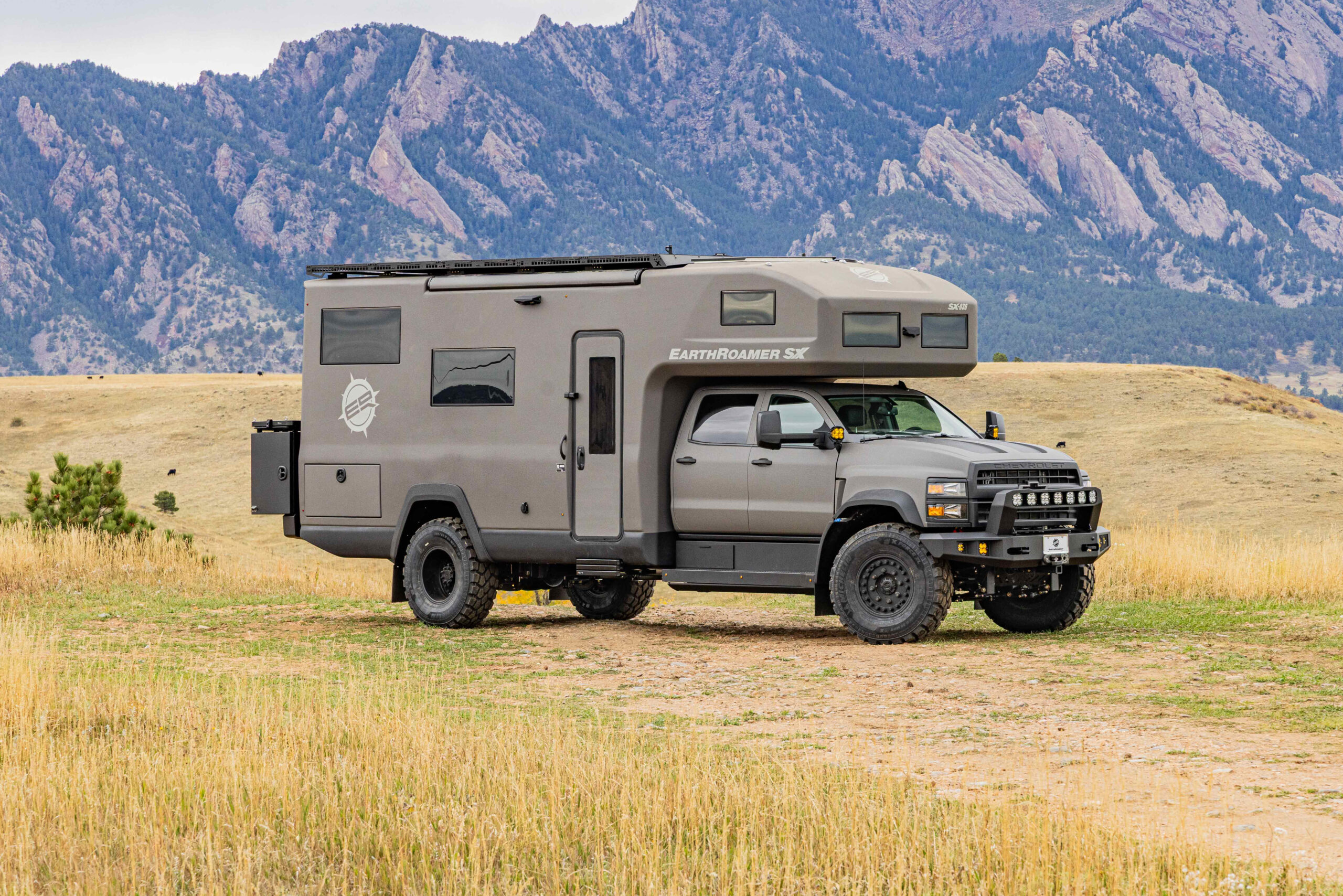
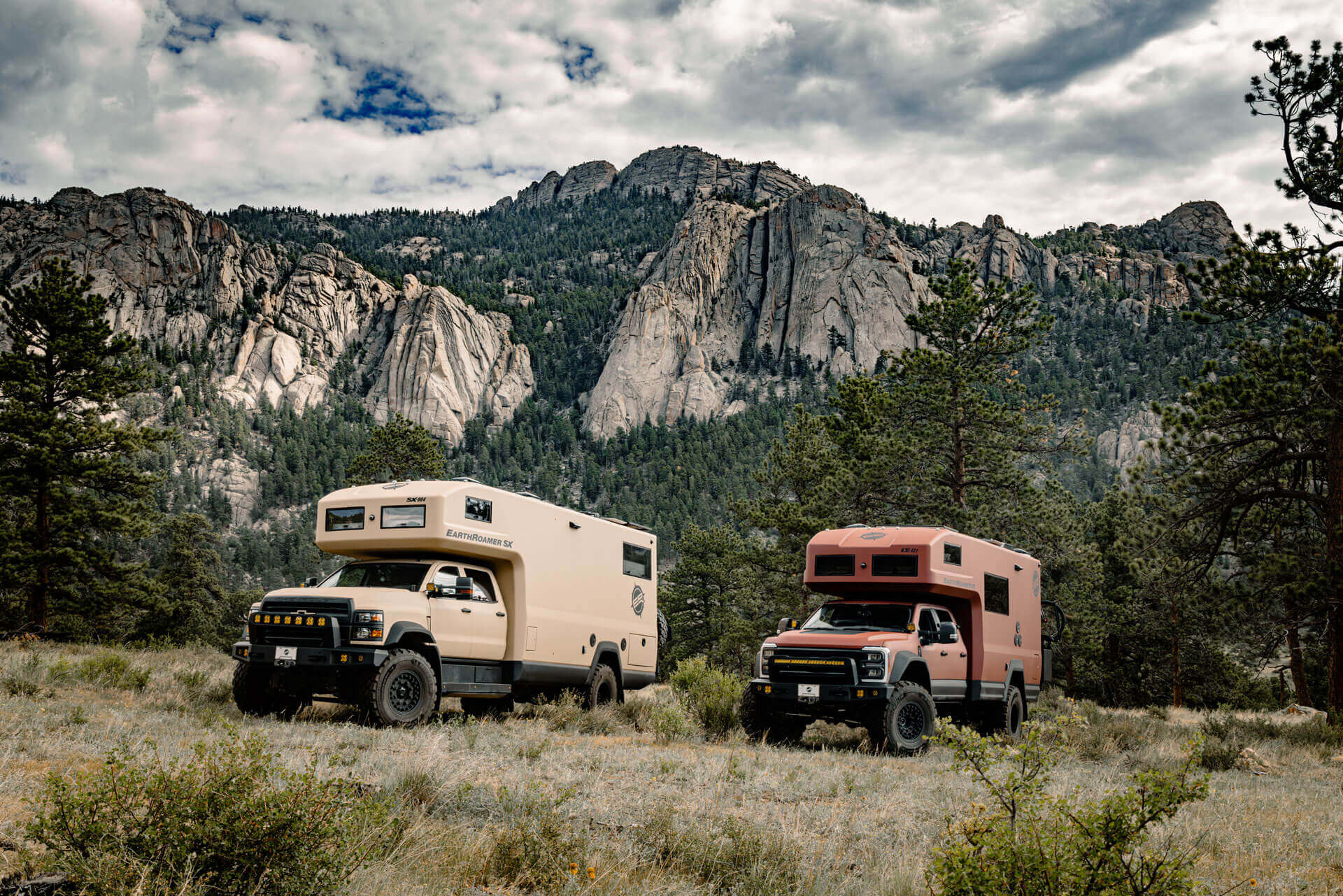
An Expedition Vehicle is designed to reach places most people never will.
Here’s what truly separates an EarthRoamer-style Expedition Vehicle from a typical RV—and why that difference matters.
Designed for Terrain, Not Campgrounds
Most RVs are built around paved infrastructure:
- Highways
- RV parks
- Fuel stations
- Hookups and level pads
They rely on smooth roads, wide turns, and predictable environments.
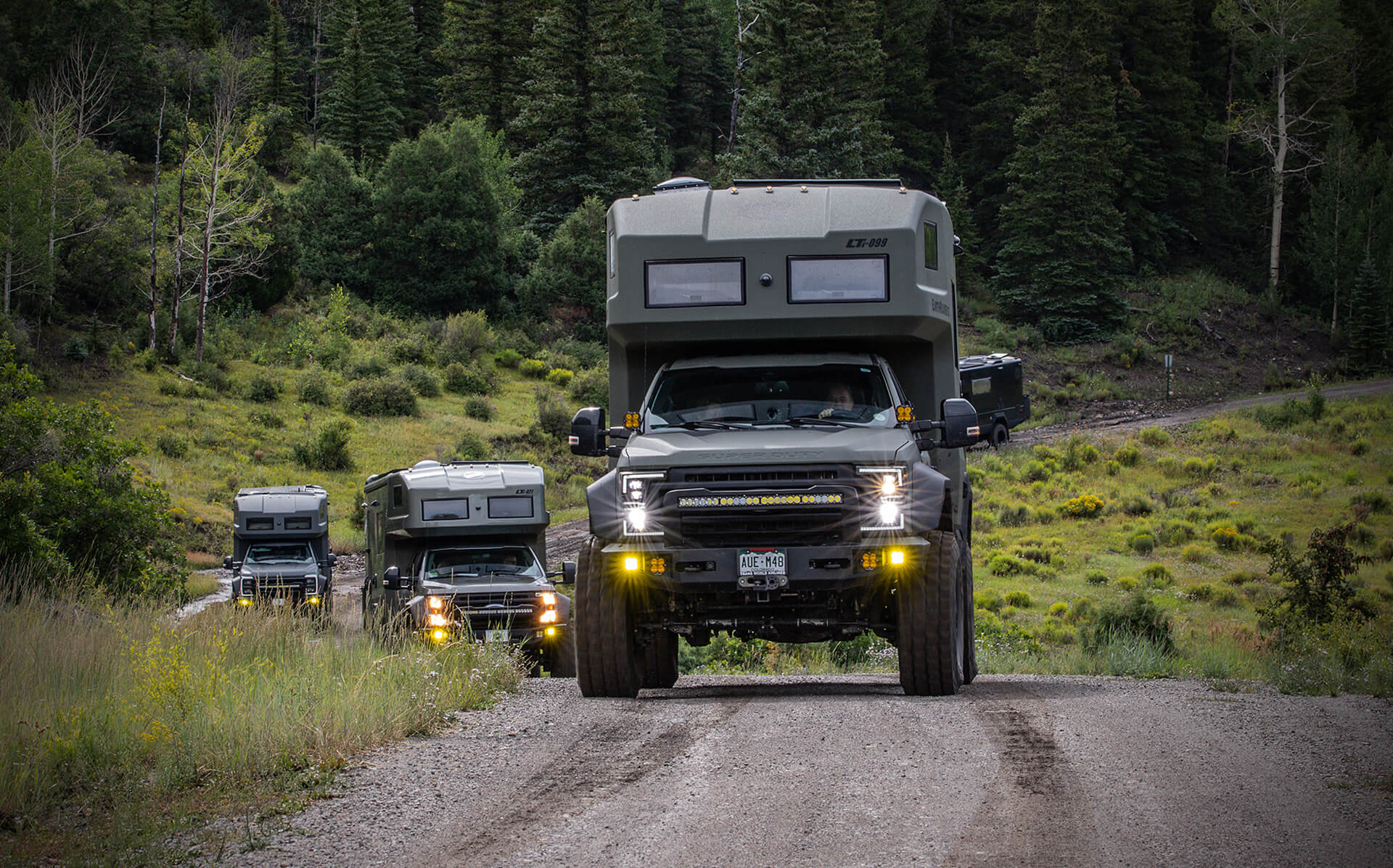
An Expedition Vehicle is built for unpredictability:
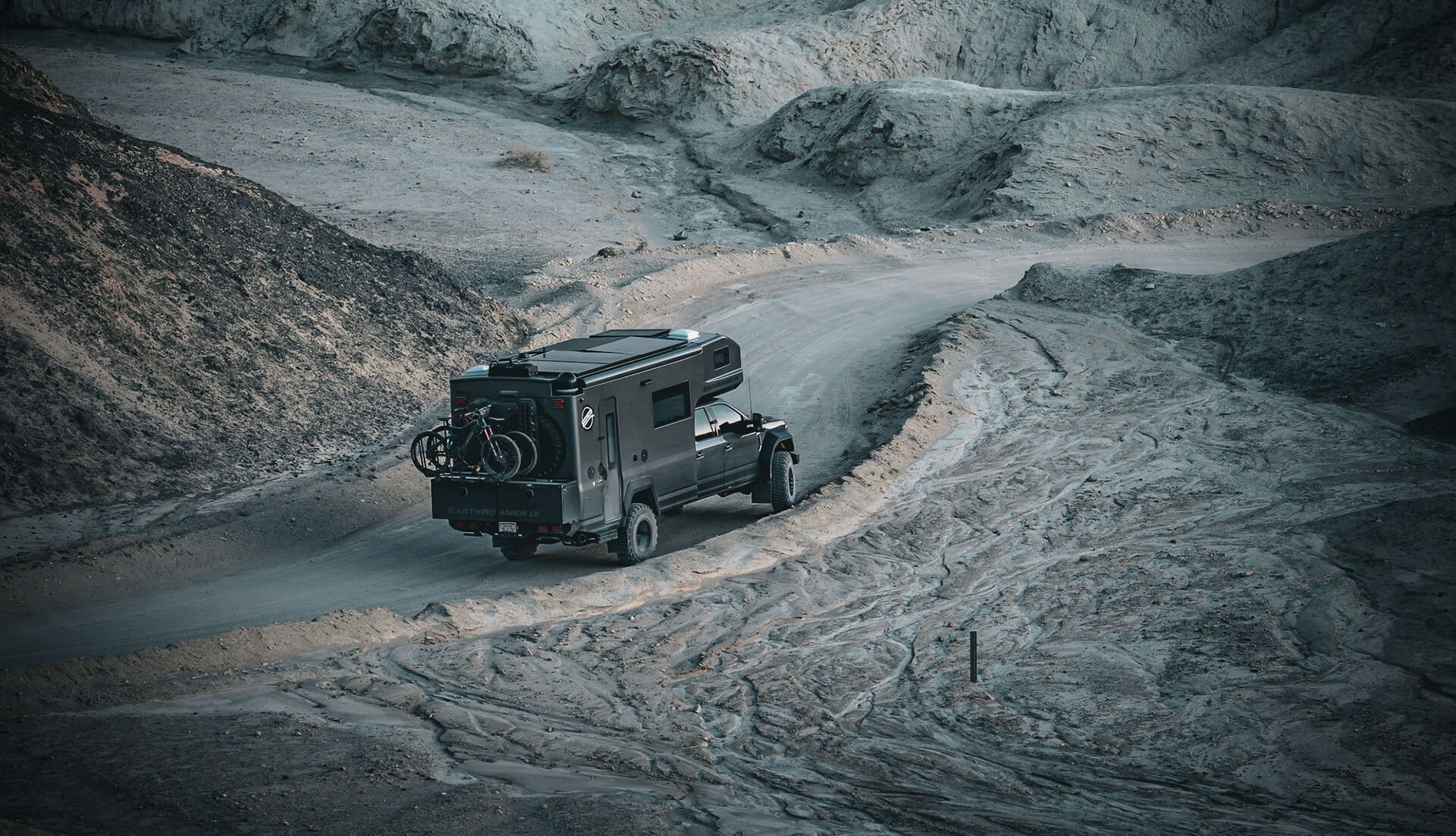
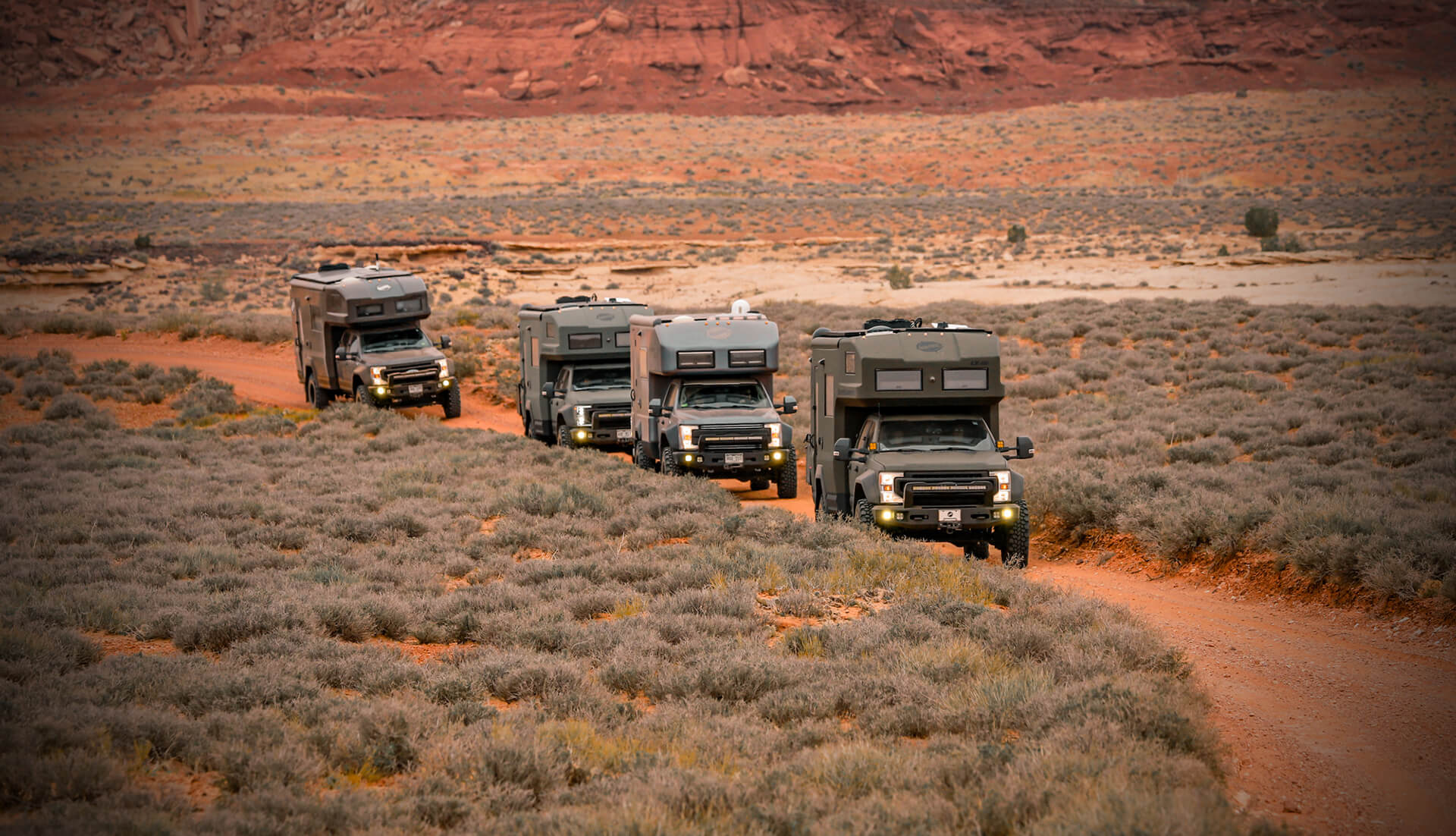
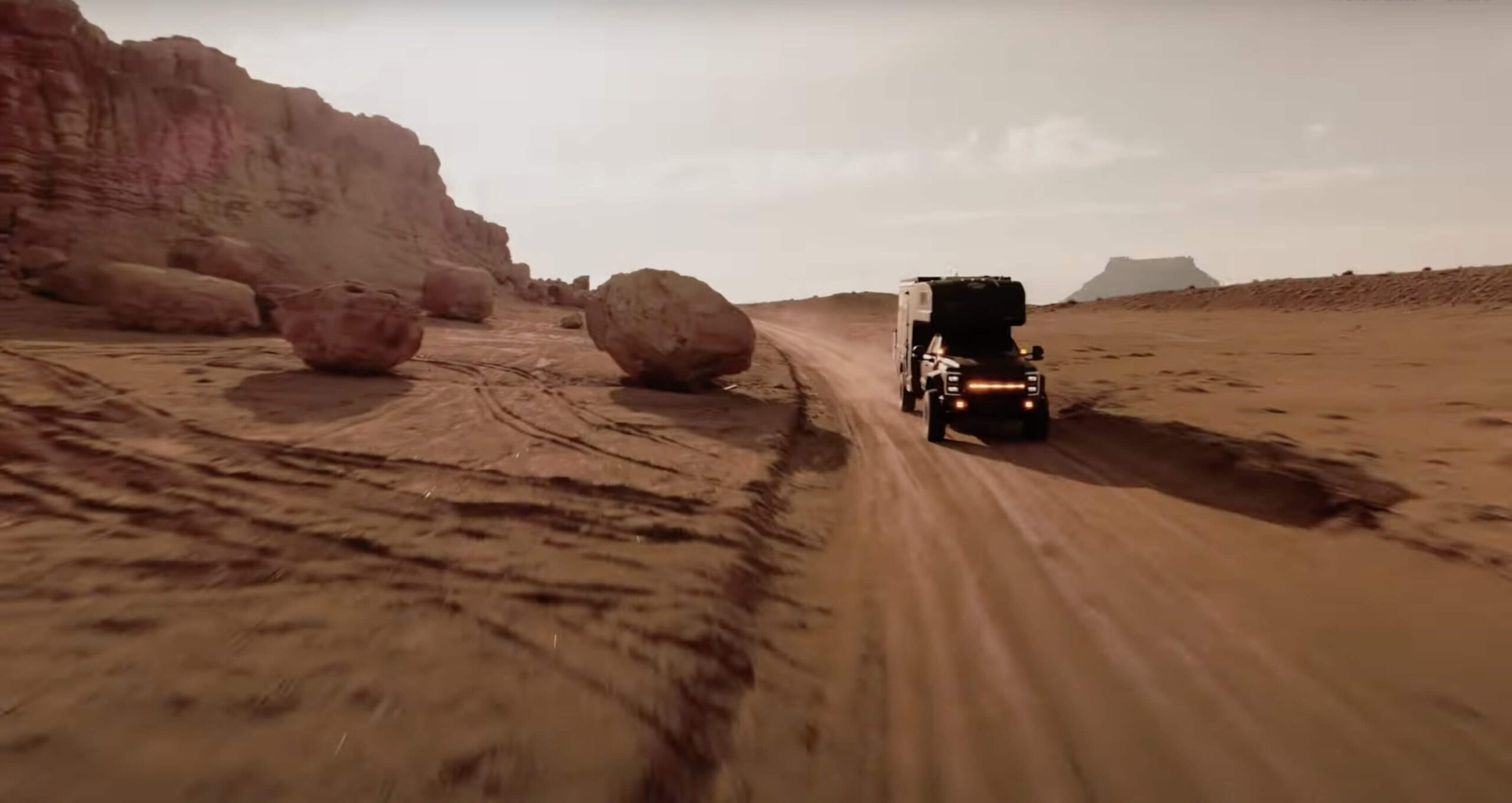
- Remote desert tracks
- Snow-covered mountain passes
- Washouts, ruts, rocks, and sand
- Long distances without services
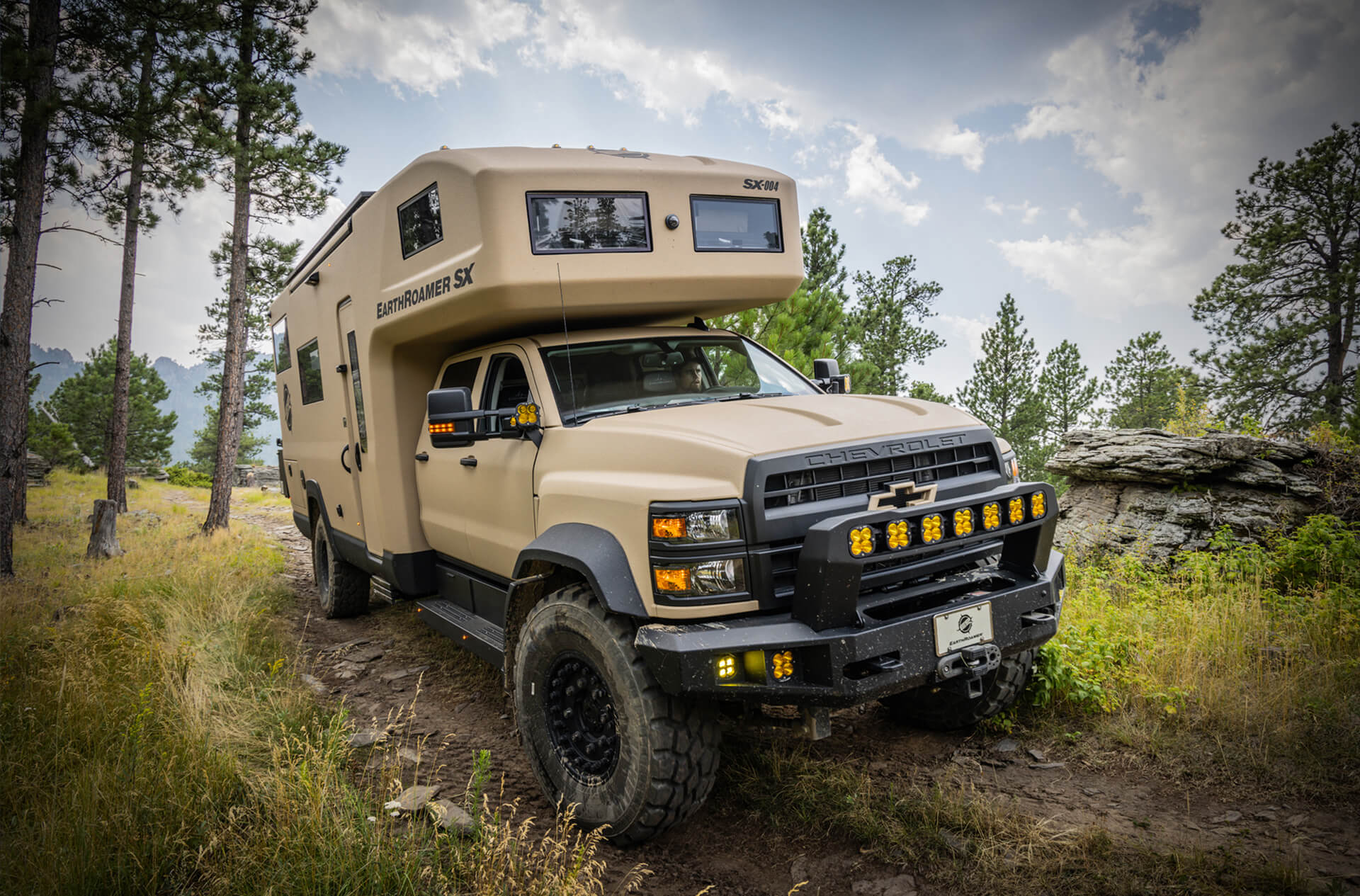
From the chassis up, every component is engineered to handle terrain, not just scenic routes.
Chassis & Capability: Foundation Matters
Traditional RVs are typically built on:
- Light- or medium-duty commercial platforms
- Components optimized for cost and weight
- Limited ground clearance and articulation
Expedition Vehicles are built on heavy-duty global platforms designed for:
- Extreme load carrying
- Off-road articulation
- Long-term durability in harsh conditions
This means stronger frames, purpose-built suspensions, serious tires, and drivetrains engineered to perform far beyond the edge of the map.
Self-Sufficiency vs. Hookups
A typical RV assumes:
- Regular access to shore power
- Frequent water refills
- Dump stations every few days
- Climate-controlled environments
An Expedition Vehicle assumes none of that.
Instead, it’s designed for:
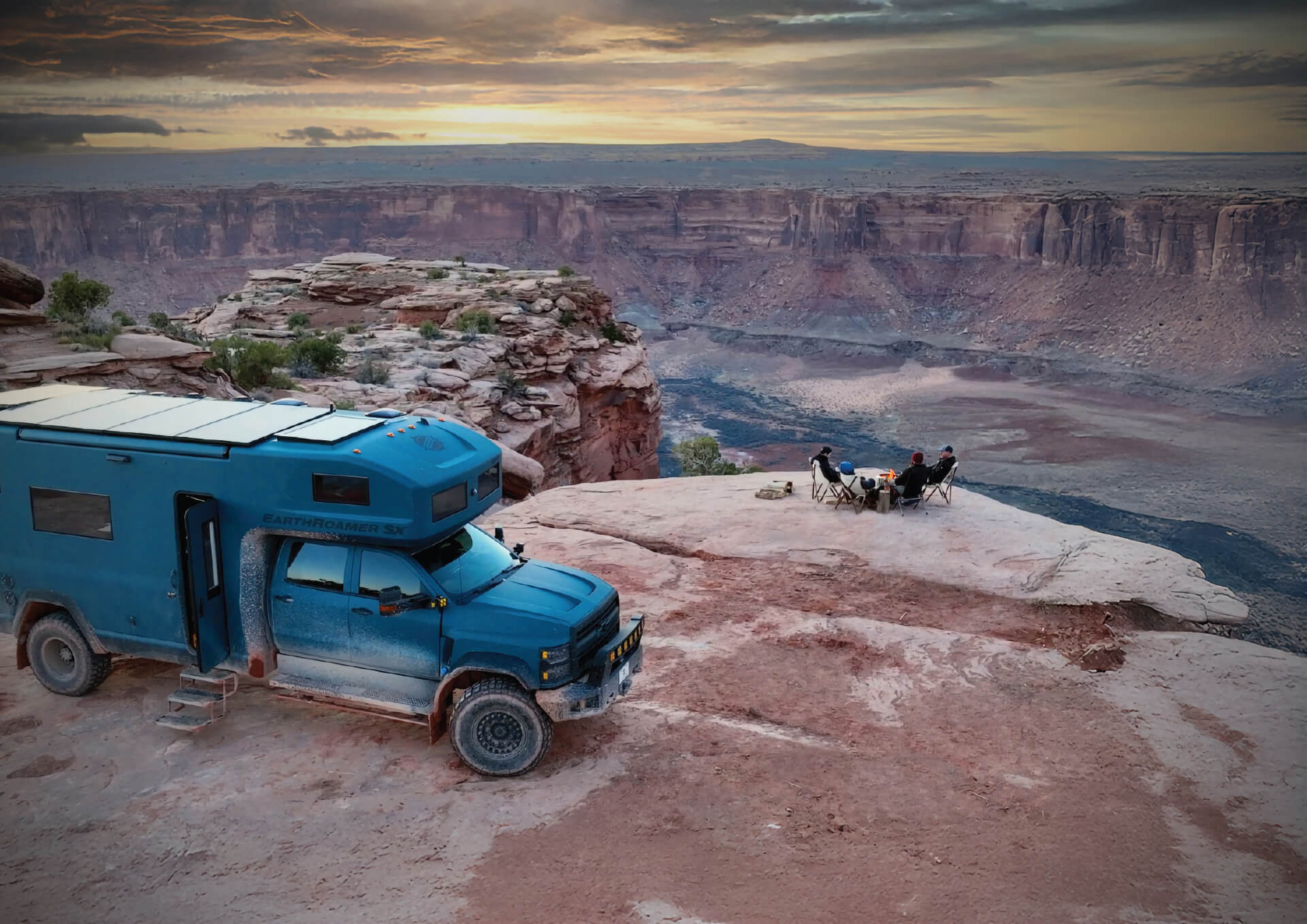
- Extended off-grid living
- Massive battery capacity and solar generation
- Advanced water storage, filtration, and heating systems
- Climate resilience in heat, cold, wind, and altitude
You’re not planning your route around hookups—you’re choosing locations based on experience, not infrastructure.
Built to Withstand the Journey
RV interiors are often optimized for:
- Weight savings
- Mass production
- Weekend or seasonal use
They’re comfortable—but not built for constant vibration, off-camber travel, or thousands of miles on rough terrain.
An Expedition Vehicle is engineered as a single integrated system:
- Structural composite bodies
- Secure, rattle-free cabinetry
- Systems designed to function while in motion
- Materials selected for longevity, not shortcuts
It’s a vehicle meant to be driven and tested—not parked.
Where Luxury Shows Up Differently
Luxury in a traditional RV often means:
- Larger TVs
- Slide-outs
- Decorative finishes
Luxury in an Expedition Vehicle means:
- Absolute reliability
- Confidence in remote environments
- Silence, insulation, and thermal control
- The ability to stop anywhere and stay indefinitely
It’s not flashy luxury—it’s functional, intentional luxury that serves the journey.
The Philosophy Gap
Perhaps the biggest difference isn’t mechanical—it’s philosophical.
A traditional RV asks:
“Where can I take this?”
An Expedition Vehicle asks:
“Where do I want to go?”
That shift changes everything:
- How you plan trips
- How long you stay
- How far you roam
- How deeply you experience the world
Not Better—Just Different
An RV is perfect for:
- Campgrounds
- Road trips
- Seasonal travel
- Predictable routes
An Expedition Vehicle is for:
- Remote exploration
- Extended self-reliance
- Global travel
- Owners who value capability as much as comfort
Neither is right for everyone—but for those who crave true freedom, the difference is unmistakable.
Beyond the Pavement
An Expedition Vehicle isn’t about escaping civilization—it’s about choosing when and how you engage with it.
When the road disappears, when the map turns blank, when the silence sets in—that’s where the distinction becomes clear.
That’s what an Expedition Vehicle lives for.